Resources
Ideas and guidance for using Superstructures to elevate student thinking through analysis, evaluation, and higher-order discussion.
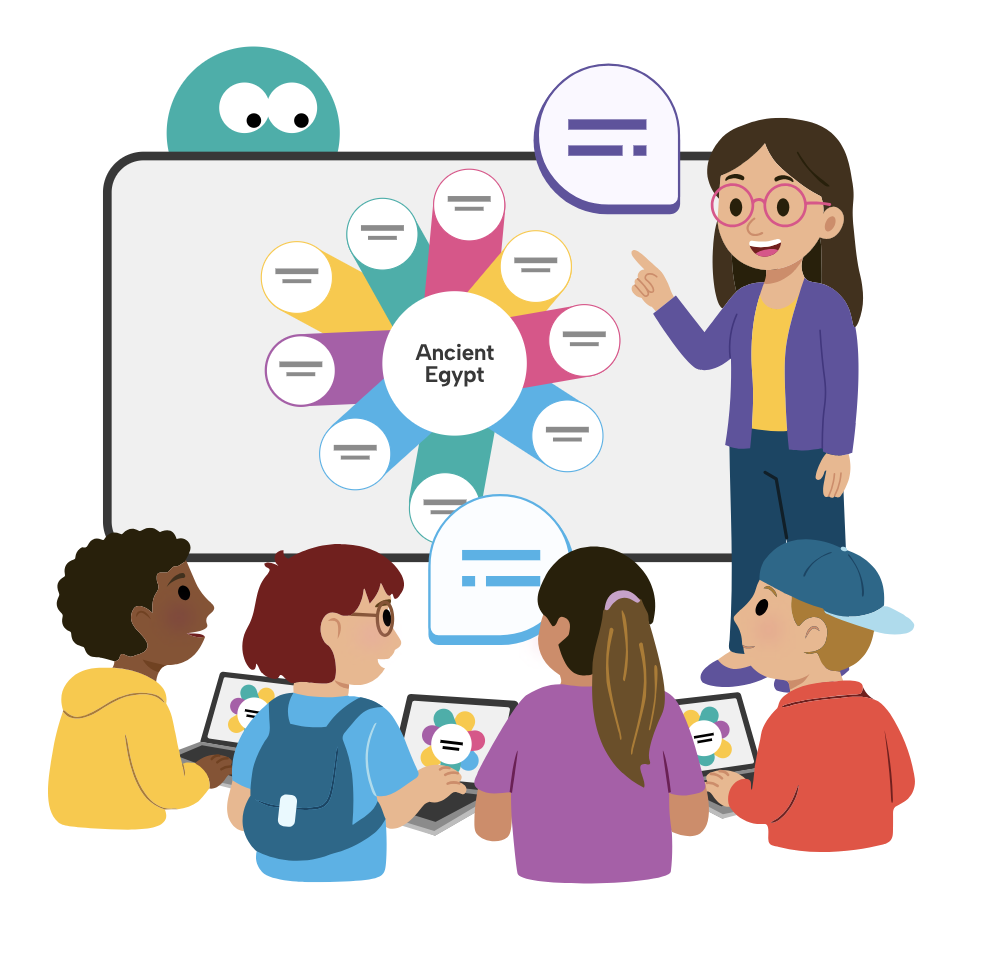
Gauging student understanding is already built into your instruction. Superstructures makes it easier to drop formative checks into any part of your lesson, turning everyday routines into structured, collaborative moments of student thinking.
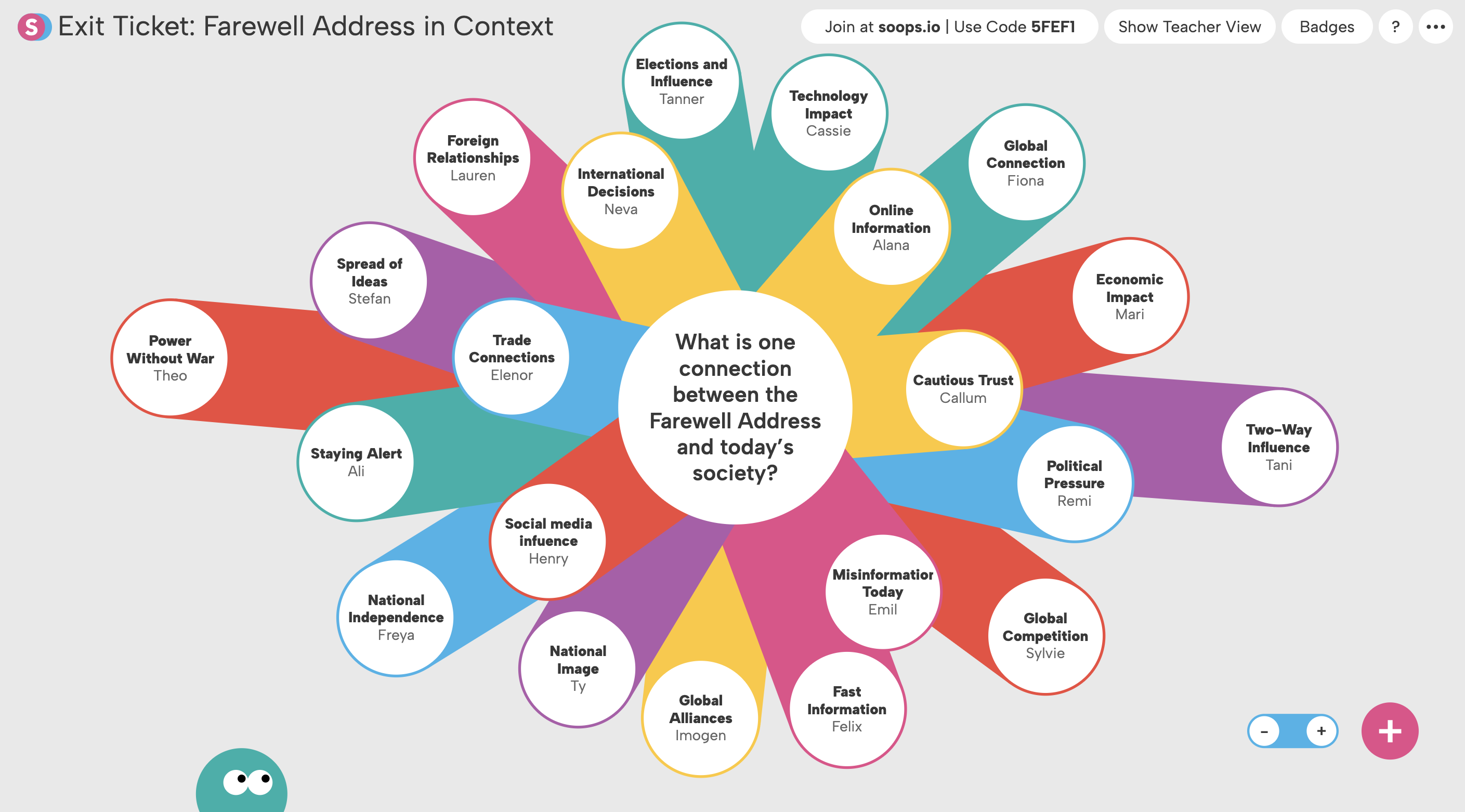
Teacher meetings are full of strong ideas that don’t always live past the conversation. Superstructures helps teams ditch the chart paper and capture ideas in a shared space where every voice is heard. It can also make deciding on lunch surprisingly efficient.
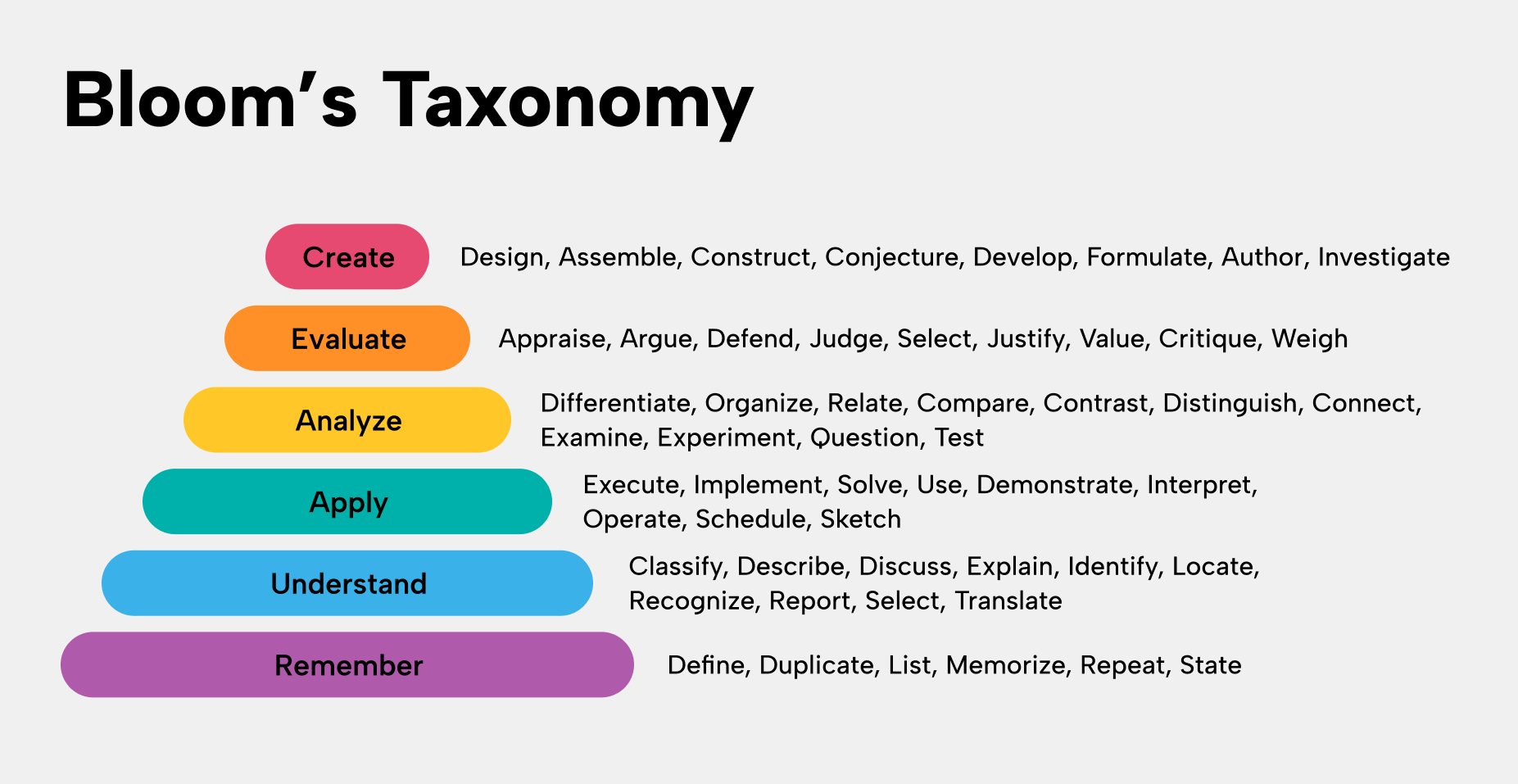
When instruction centers on thinking skills like create, evaluate, and analyze, students move beyond recall into deeper, higher-order learning. This post explores how that shift changes student thinking, and how Superstructures helps make deeper learning possible.
Open-ended questions shift students from aiming for the right answer to working through ideas. This post explores how that shift changes the way students think—and how structure helps make it possible.
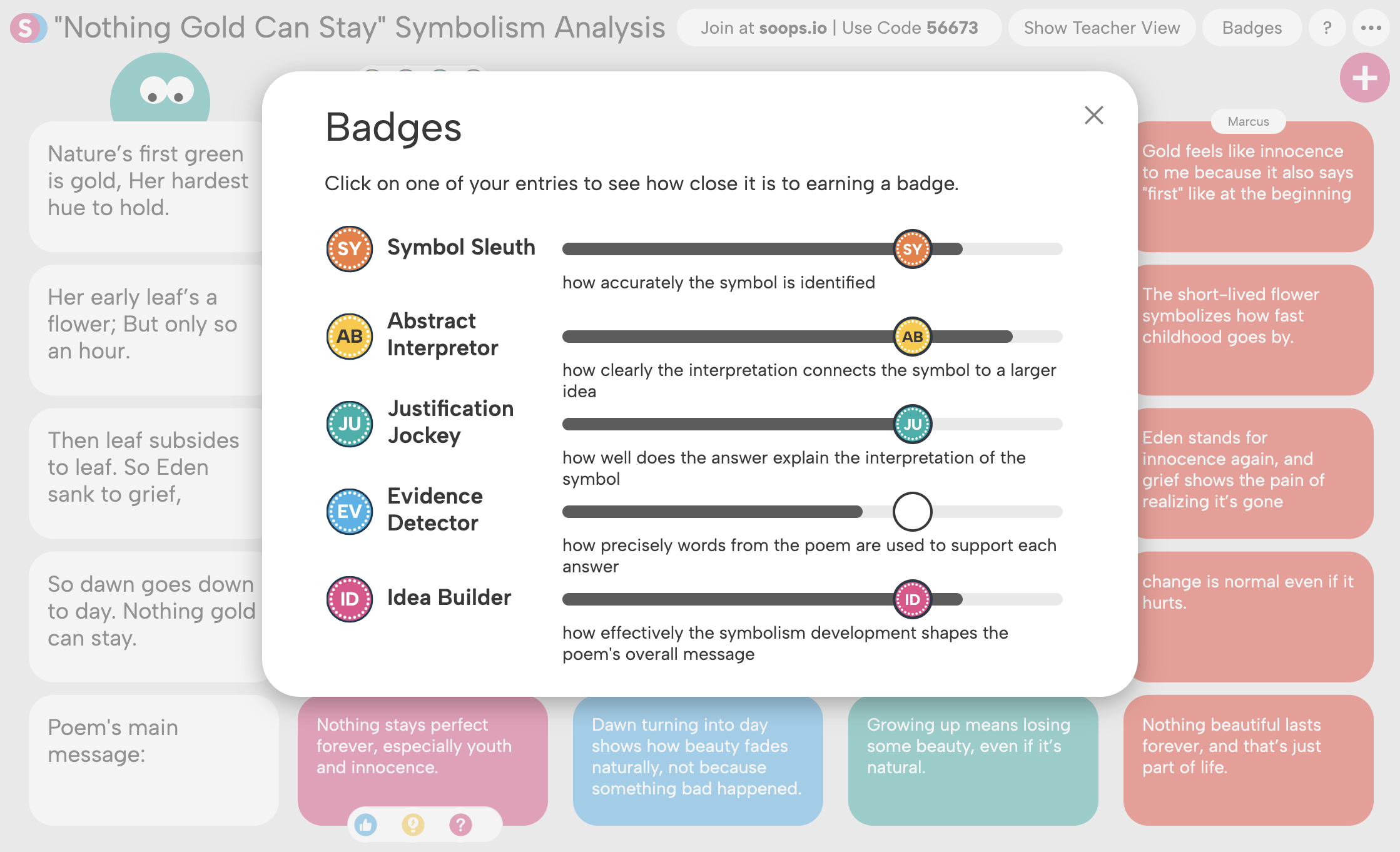
Teachers strive to make their learning targets visible—on whiteboards, slides, agendas—so that students see what they are working toward. The real challenge is making sure students find them meaningful—and actually use them as they work. Custom badges solve that problem by embedding learning benchmarks directly into every Superstructure.

What if your rubric could do the evaluating for you? With our new Customized Badges (accessible from the ••• menu) you can transform success criteria into a transparent rubric that instantly evaluates student thinking. Students understand what success looks like, and you get actionable data without the grading overload.
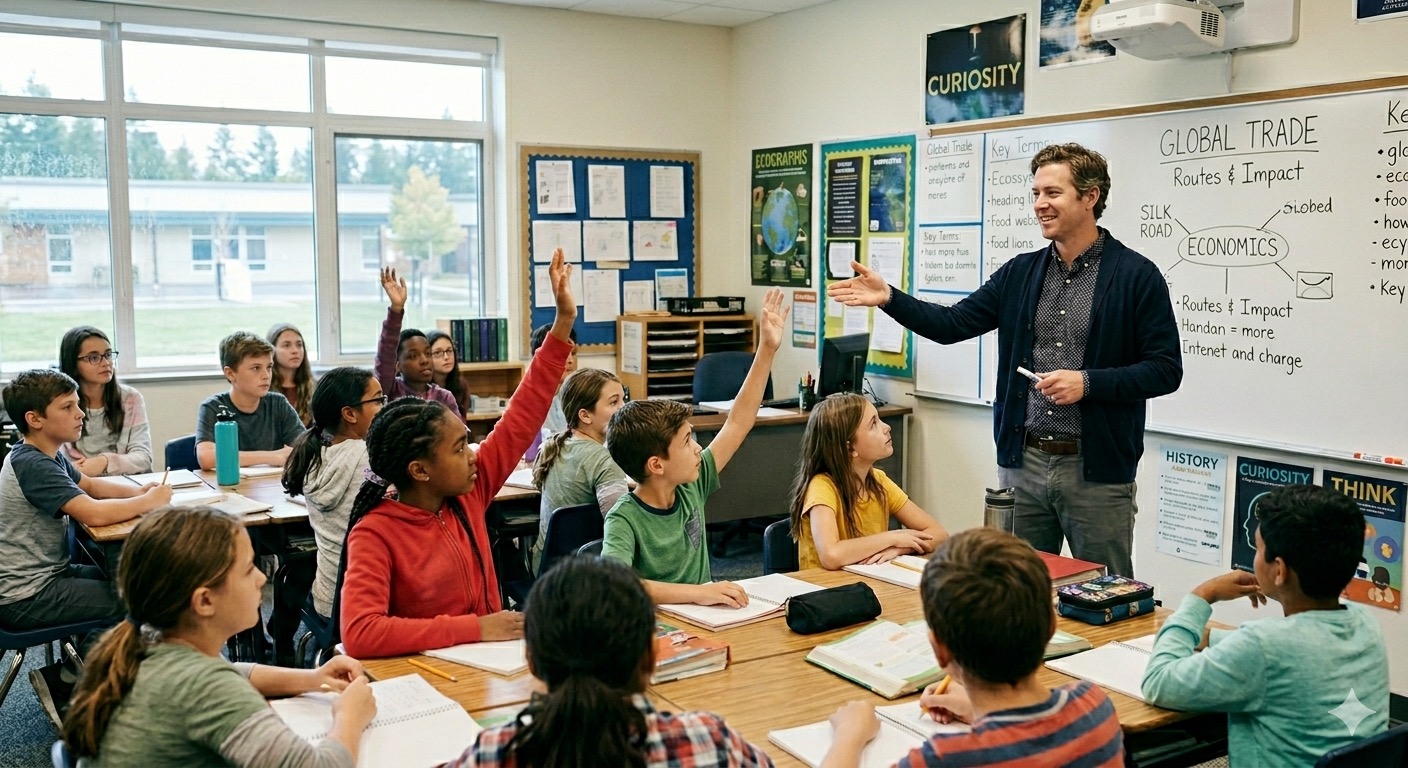
Long before we were teachers, we were students captivated by an idea—the elegance of an equation or the weight of a historical turning point. Superstructures helps you invite students into that same fascination, giving them a platform to follow their curiosity and explore their world through the subject you love.
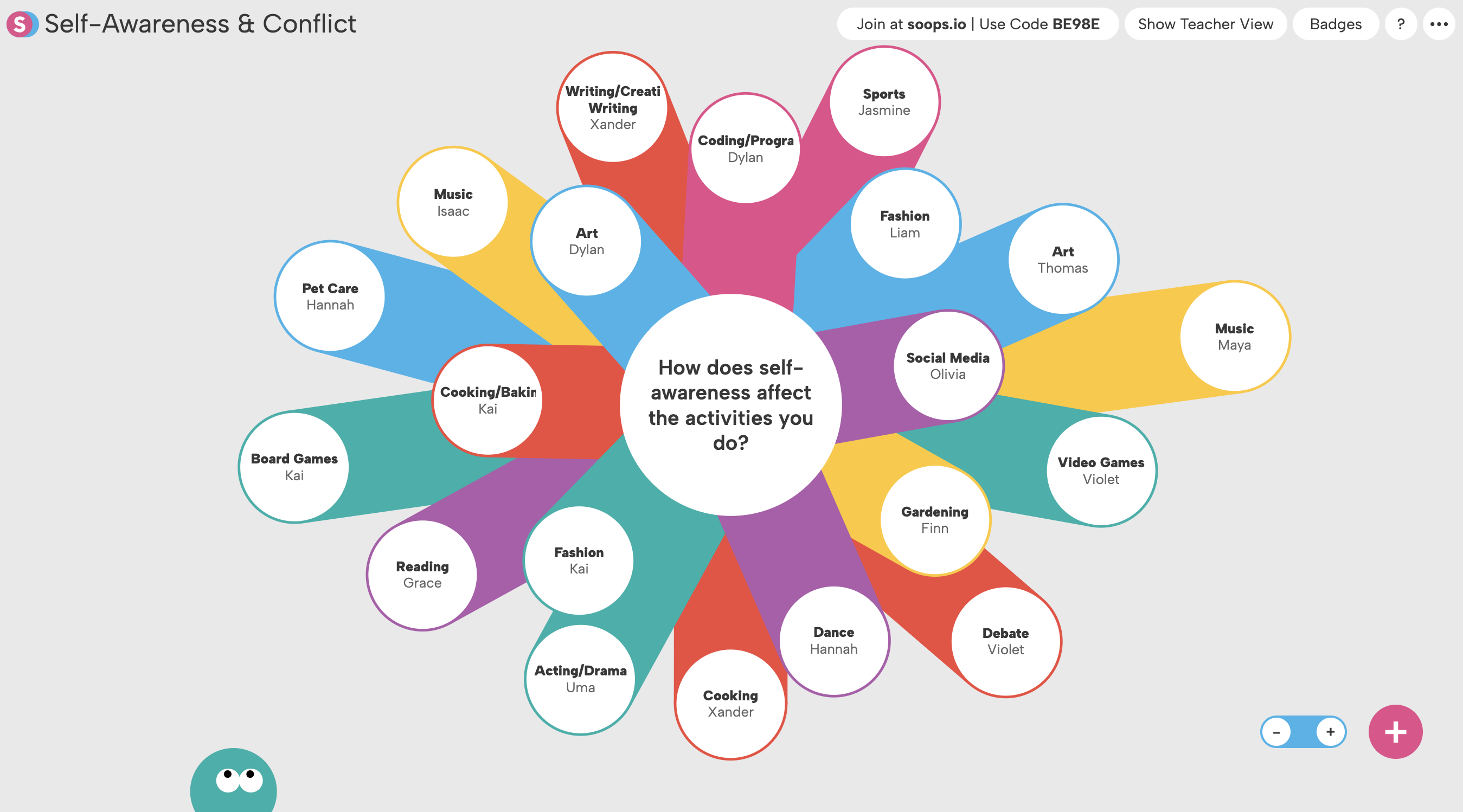
Classes like advisory aren’t just check-ins—they’re opportunities for students to build empathy and strengthen relationships. Superstructures supports social-emotional learning (SEL) by providing space for real conversations about topics like respect, self-awareness, and coping.
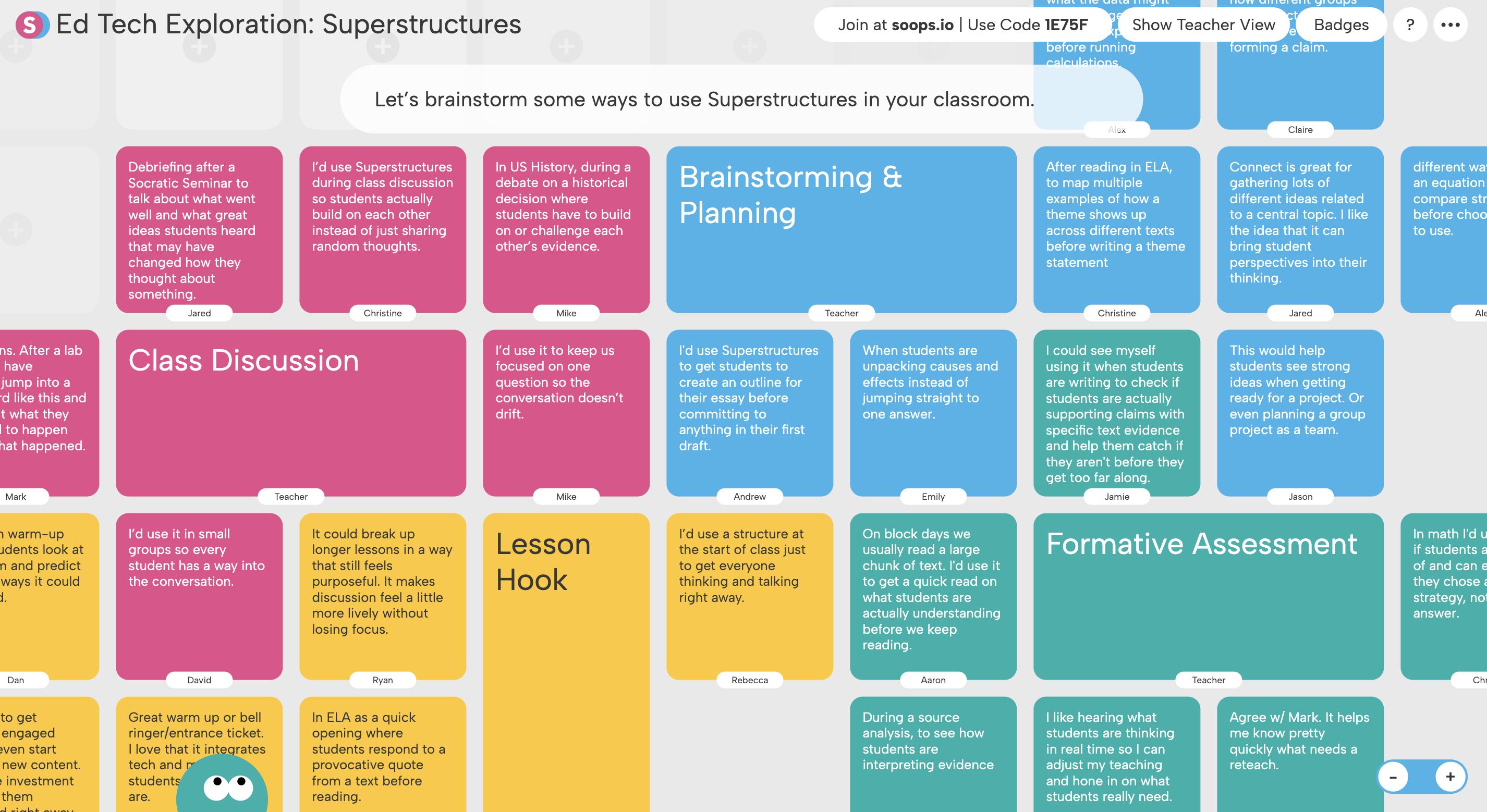
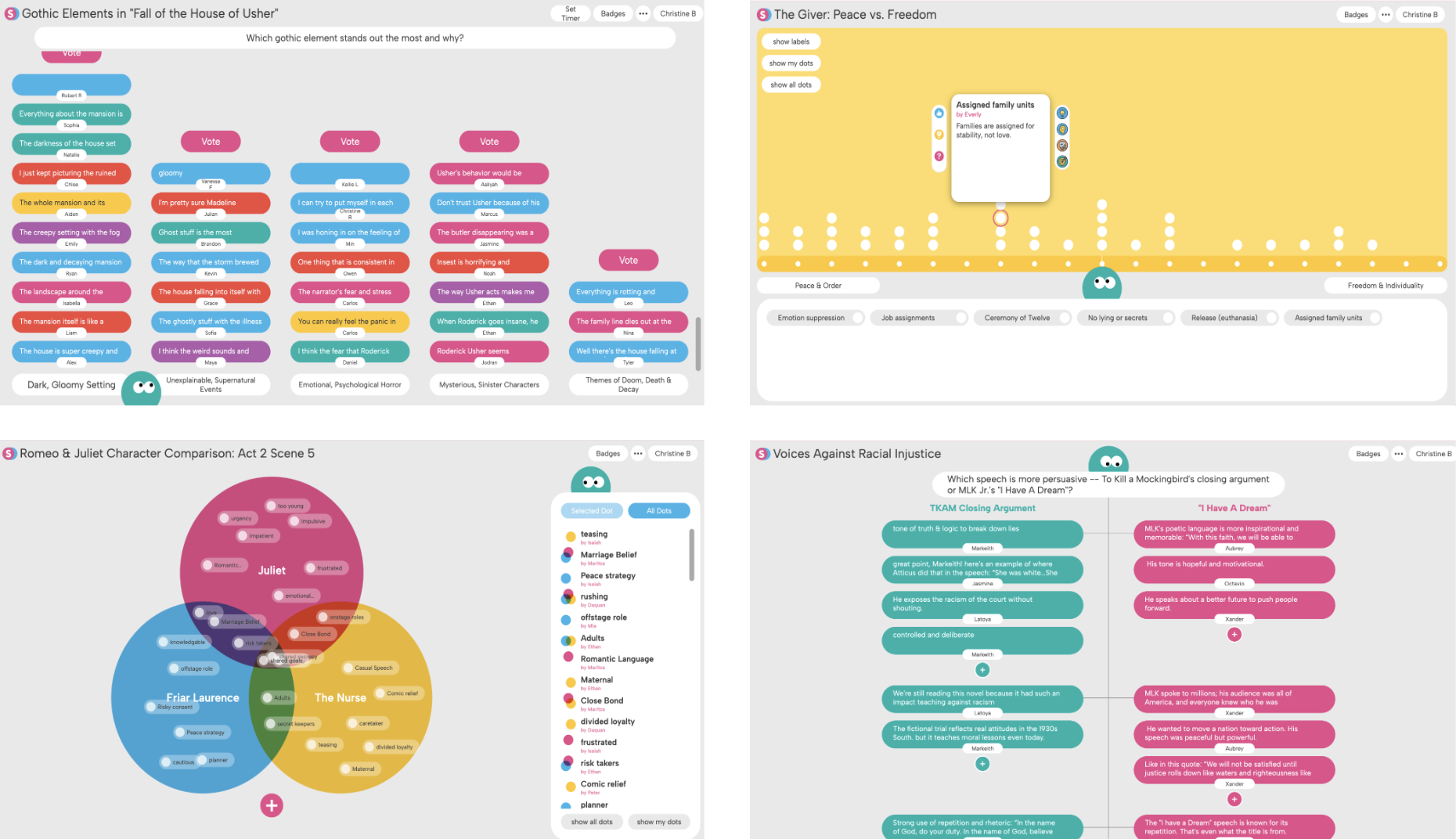
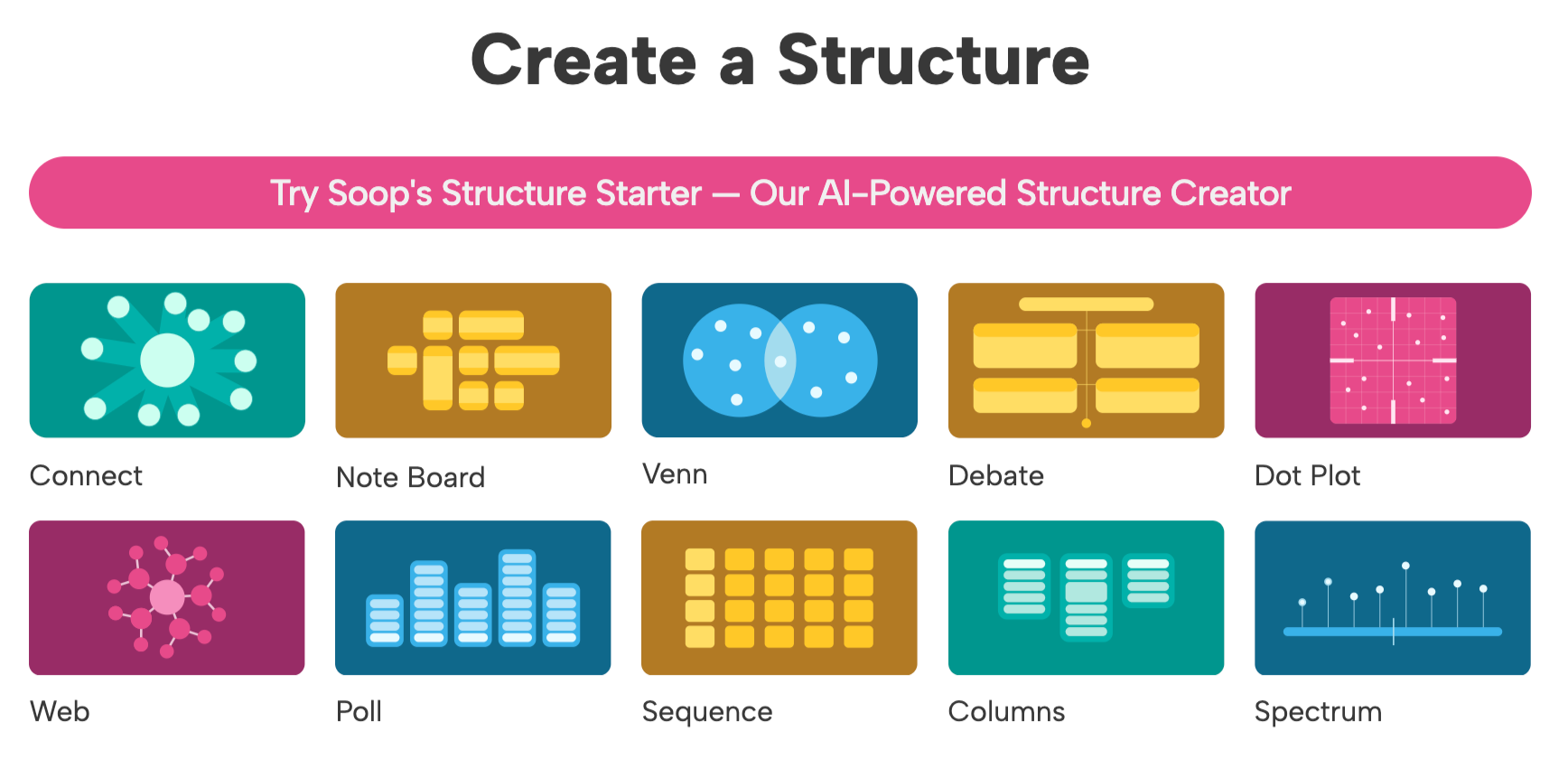
Superstructures helps students organize their thinking in ten distinct ways. Discover how teachers use the ten structures to shape student thinking in real classroom contexts.
When students are invited to the reasoning table–when they’re encouraged to talk through logic, question procedures, and wrestle with why–learning feels more like discovery. This is especially true in mathematics and the sciences. Asking why shifts learning from procedure to understanding, making STEM relevant, human, and accessible to a wider range of thinkers.
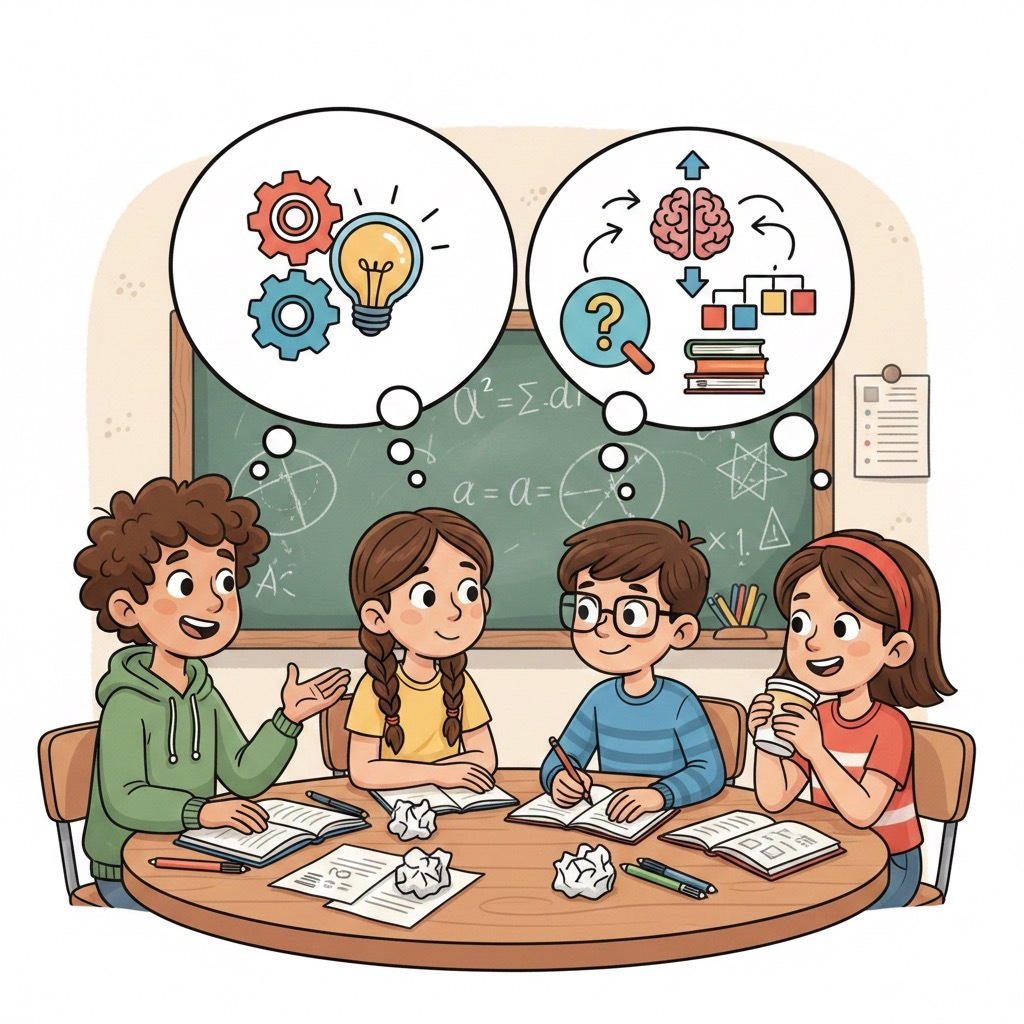
Discover why collaboration isn’t just good practice—it’s proven to boost learning. This post explores the research behind productive peer-to-peer thinking and highlights how Superstructures gives classrooms the tools and AI support to make collaboration seamless.