
Resources
Resources
Our world is shaped by the balance between stability and change—from global climate patterns to the invisible bonds within a molecule. These three ready-to-use structures for Earth science, chemistry, and physics help students examine how systems behave, shifting students from passive observation to active systems thinking.
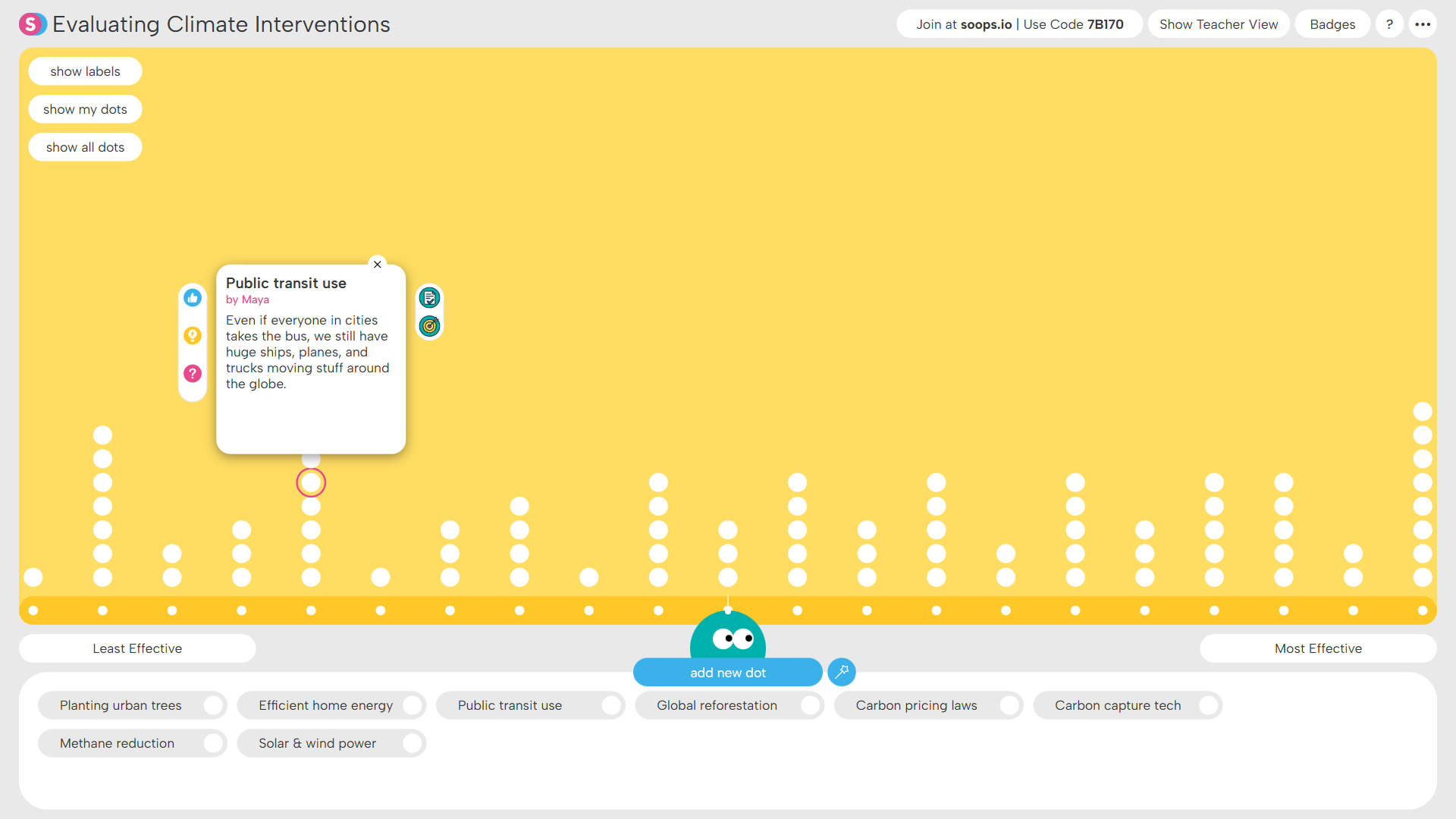
Using Spectrum, students weigh the scale and impact of climate solutions to determine which strategies can truly stabilize Earth’s systems. By placing various actions along a continuum, they move beyond local "green" habits to analyze the global trade-offs and feedback loops required for real change. Use this structure in your classroom!
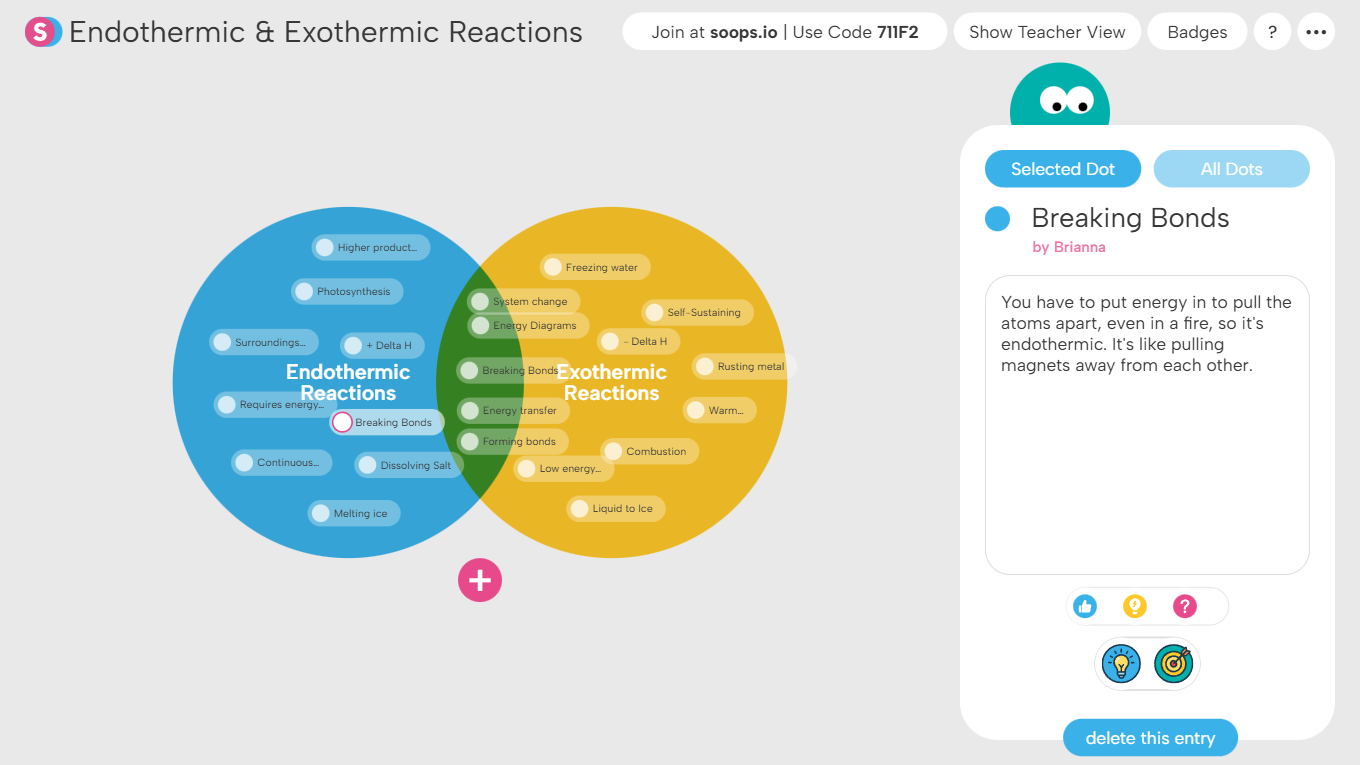
This Venn structure helps students analyze energy flow in chemical systems, examining how bond breaking and bond formation influence system stability. By visualizing overlaps, students move beyond simple “hot vs. cold” distinctions and identify patterns of energy transfer and conservation that support chemical stability. Use this structure in your classroom!

This Debate asks students to take a position on how friction affects stability, supporting their claims with real-world examples. By responding to counterarguments, students refine their reasoning and examine the trade-offs between stabilizing forces and energy dissipation. Use this structure in your classroom!
If these structures have sparked ideas for your classes, our Science Subject Guide has even more lesson ideas and ready-to-use structures across the sciences—just replicate and adapt any structure to fit your next lesson!