
Resources
Resources
From brainstorming literary analysis themes to crafting transitional phrases, these three mini-lessons will turn the solo writing process into one fueled by shared ideas. Less work for you, more writing for them. Take a look below, or jump straight to the video to see these structures in action.
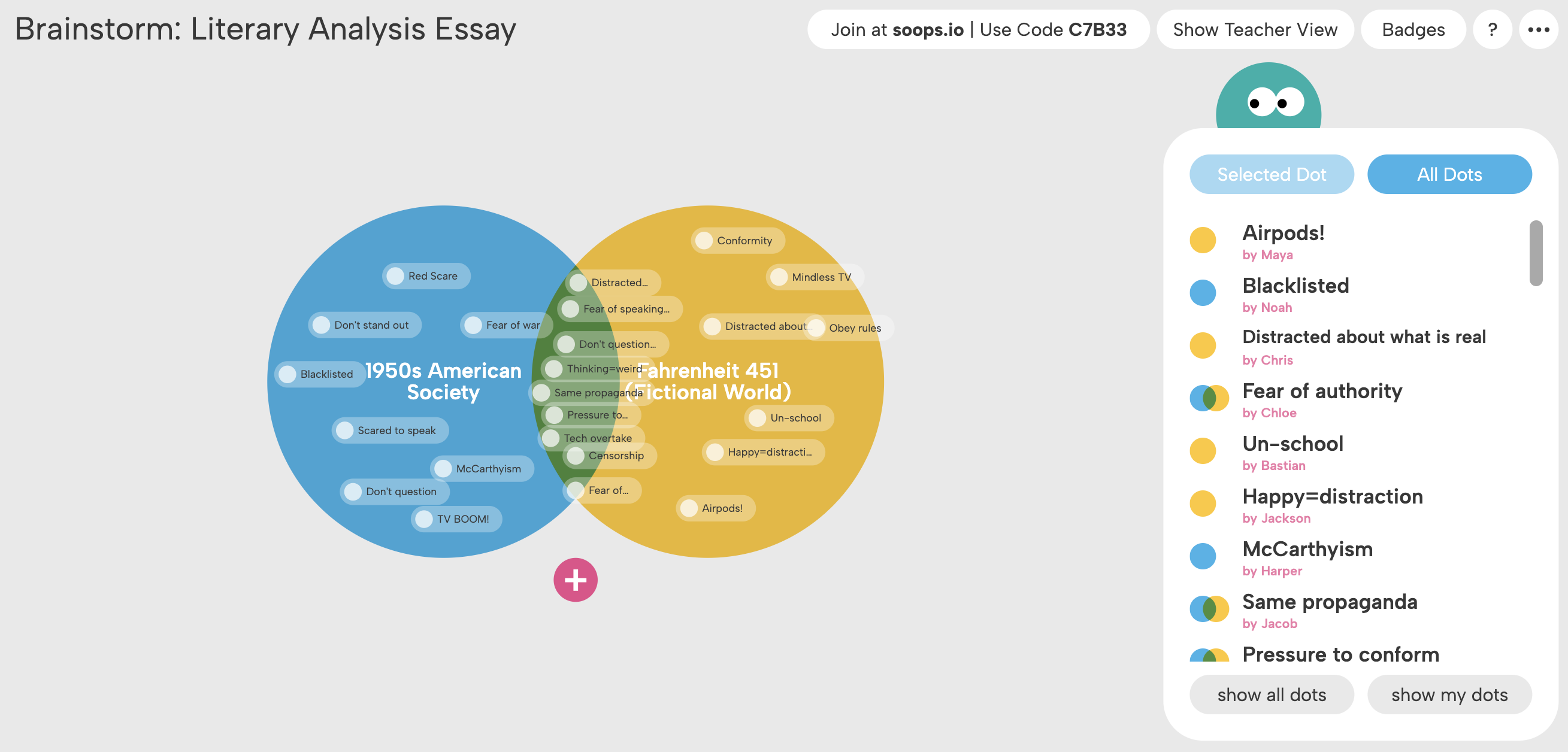
A Venn Diagram invites all students into the thinking. In the earliest stages of brainstorming, encourage students to compare and contrast a text’s setting with the author’s real-world context—an allegorical lens that helps surface a novel's overarching themes. The outcome? Sharp insights, deep interpretations, and strong writing. Use this structure in your classroom!
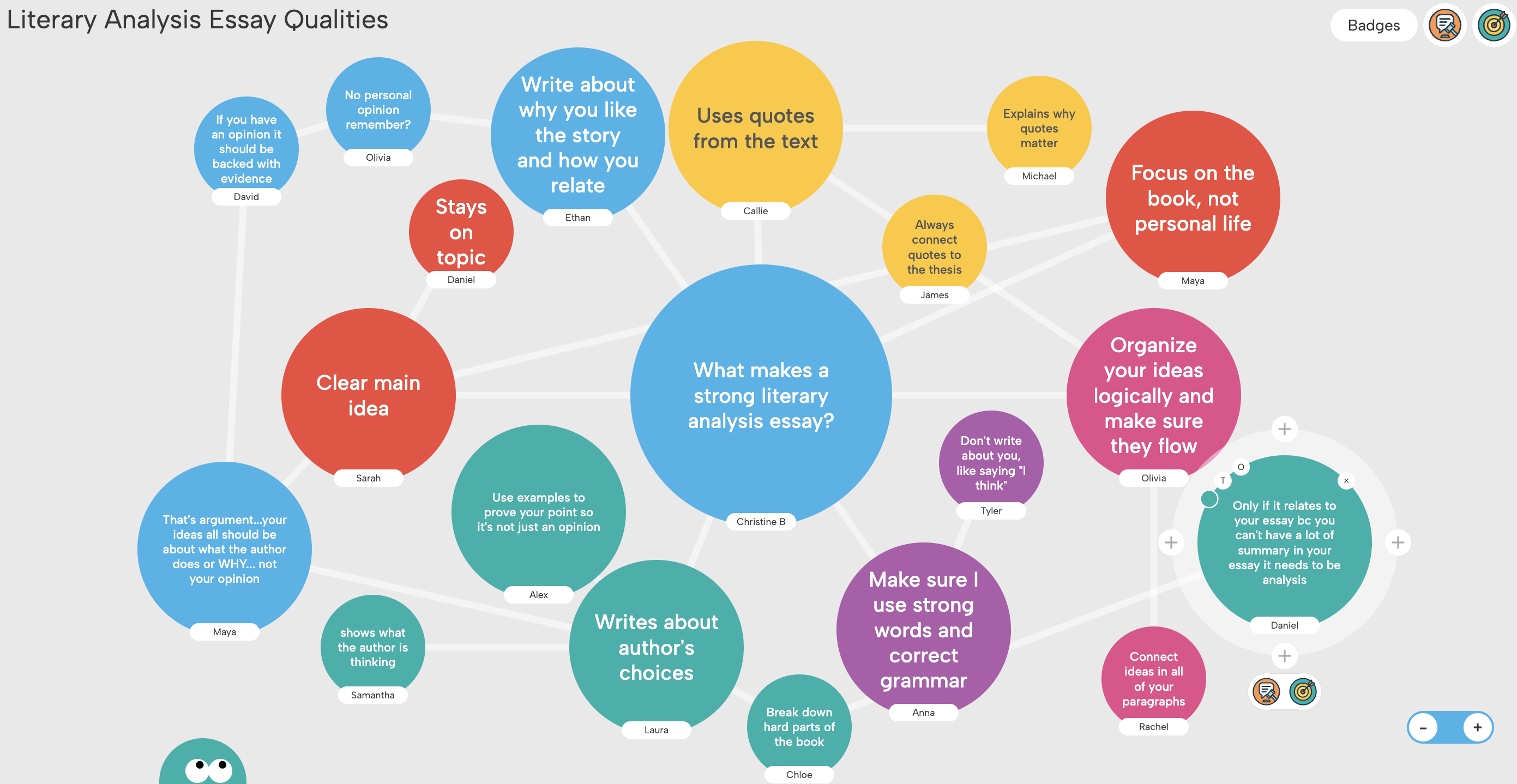
Web can help students identify the essential qualities of strong literary analysis essays—structure, style, audience awareness, purpose, and more—while also highlighting common pitfalls to avoid. Students contribute observations, connect ideas across the map, and collectively build a clear, shared understanding of what makes an essay effective, setting their first draft up for success. Use this structure in your classroom!
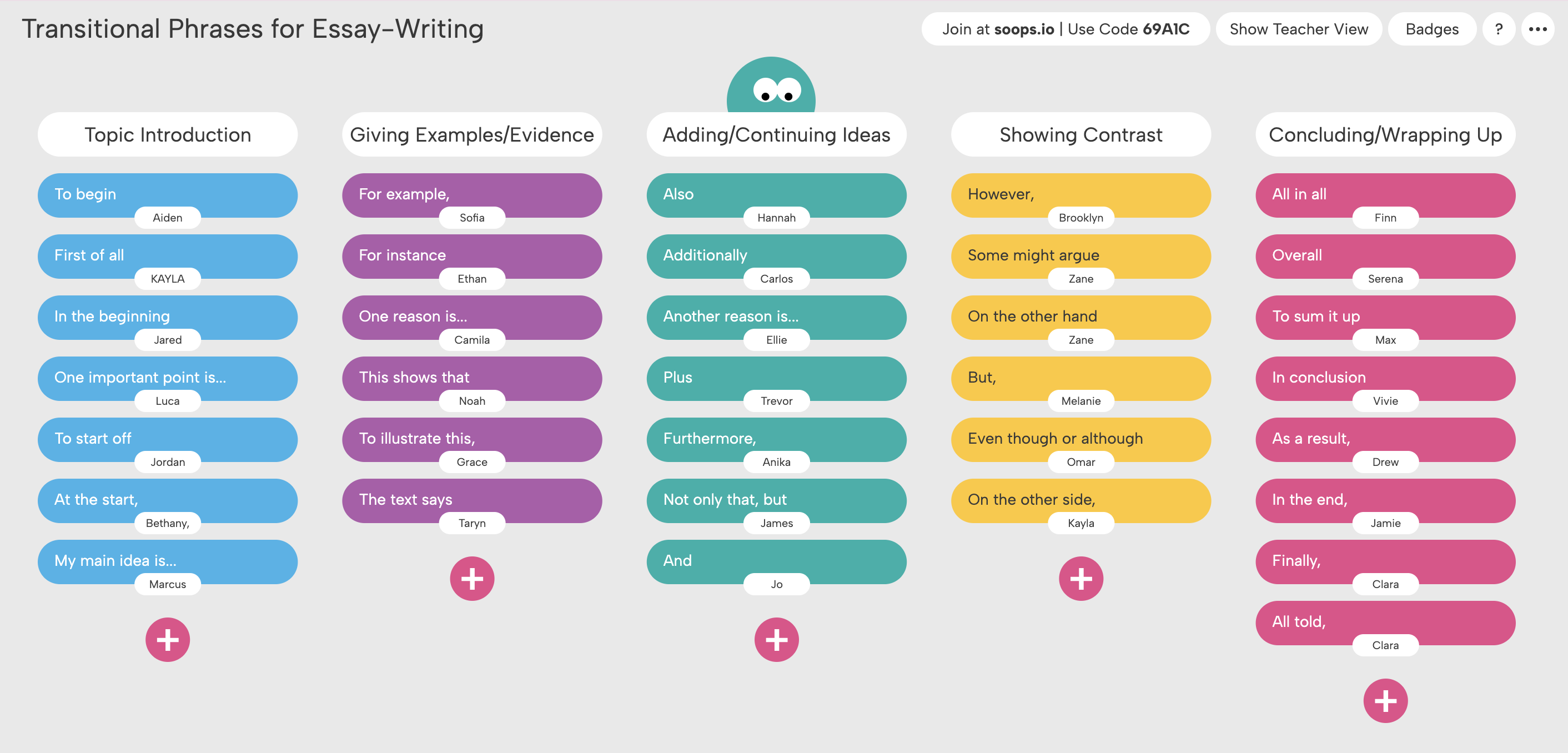
The Columns structure collects student contributions into a living bank of transitions that students can reference throughout their writing. By filling each column with phrases that introduce ideas, provide evidence, add depth, show contrasts, or conclude arguments, students create a resource that helps them strengthen and diversify their transitions as their essays develop. Use this structure in your classroom!